Financing a Home Remodeling Project in Ahwatukee: Loans, HELOCs, and More
Why “the right loan” starts with the scope, not the rate
Remodeling timelines and cash flow in the real world
In Ahwatukee, a lot of homeowners are juggling jobs, school schedules, and the day-to-day reality of living in a house while work happens. That matters because financing is not just about interest rates. It is about timing.
Kitchen and bath remodeling often move in stages, with planning, demo, rough work, finishes, and then punch list. If your lender releases funds slowly, you may end up covering gaps longer than you expected. Likewise, if you want custom tile, stone, or cabinets that take time to order, you need a cushion.
When “cheap” monthly payments get expensive later
A 30-year loan can make monthly payments look friendly, but longer terms can mean higher total cost, especially if you end up paying for longer than planned. HELOCs can also be tricky. You might have a lower payment during the draw period, then the repayment terms can shift in a way that surprises people.
In practice, I see homeowners happiest when the payment matches their remodeling phase. They do not want to pay for finishes already installed while their contractor is still waiting on a delayed delivery, and they do not want to run out of funds right as electrical and plumbing rough-ins are finalized.
The Ahwatukee “value” question you should ask early
Before you pick financing, ask a grounded question: what is the project going to do for the home you live in now, not just what it might do on paper later?
A remodel that improves comfort, safety, and day-to-day function can feel like a win even if the resale numbers are not dramatic. But if you are trying to capture a specific market payoff, you want to think carefully about budget realism, permits, and the quality level you plan to build.
Credit, equity, and household budgeting, the trade-offs that shape your options
Credit score affects more than approval, it affects structure
Credit score and debt-to-income ratio influence what you can qualify for and what terms are offered. That can steer you toward a conventional home equity loan, a refinance-style loan, or a HELOC with different draw and repayment mechanics.
If your credit is strong, you might see more competitive fixed-rate options. If it is weaker, you may still have pathways, but you might need to accept trade-offs like higher rates, shorter terms, or stricter underwriting.
Equity is usually the “unlock,” especially for larger remodels
In most cases, equity becomes the key ingredient. Lenders generally want enough equity to secure the loan and still protect themselves if property values soften.
For Ahwatukee homeowners who bought earlier and built equity over time, home equity borrowing can be a practical fit. For newer homeowners, equity may still be limited, and you may lean toward personal loans or smaller financing until you can build additional cushion.
Household budget: plan for the hidden costs, not just the project bid
Many remodel budgets fail because homeowners price only the obvious scope. Real projects also carry things like temporary needs (staging, storage, substitute kitchen items), permit or plan review fees, change orders, and a realistic allowance for items you cannot finalize until demolition reveals what is behind walls.
You also want to plan for the financing side. Some products include closing costs. Others include annual fees or different interest rate structures. A “no closing cost” feature can still come with other costs, like a higher rate.
Lenders look at debt-to-income, so your remodeling plans need a clean picture
If you have other recurring payments, those count heavily. A calm approach is to gather your last pay stubs, current credit card balances, and monthly expenses before you apply.
It also helps to decide whether you will finance only part of the project or the full scope. If you finance partially, you can reduce pressure on approvals. If you finance the entire project, you are more likely to maintain continuity, but you may need better qualification.
Choosing between a HELOC and a fixed-rate loan for remodeling in Ahwatukee
HELOCs: flexible draw, but watch the repayment shift
A HELOC, or home equity line of credit, can be a strong tool for remodeling because it provides flexibility. You draw funds as work progresses, which can help you avoid paying interest on money you have not used yet.
The trade-off is the repayment phase. During the draw period, you may pay only interest or have payments structured around the remaining balance. Once the draw period ends, you may need to begin paying principal, which can raise your monthly payment.
For remodeling, that matters if your schedule stretches. Delays due to lead times, custom materials, or inspection timelines can push work into a period where repayment terms feel heavier.
Fixed-rate home equity loans: predictability you can build around
A fixed-rate home equity loan can be easier to budget for because the payment is steady. It is often helpful for projects with a clear scope and a timeline you can reasonably control.
If you plan to hire a design-build team and you are confident the design is complete before construction begins, a fixed-rate structure can reduce financial uncertainty. It also helps if your household budget is already tight, because predictability is a form of risk control.
Personal loans and credit cards: smaller scopes, cleaner expectations
For smaller remodels like a bath refresh, new windows, or a partial kitchen update, personal loans or 0 percent promotional credit offers may come up. The concern is that interest rates can be high once promotions end, and lenders may cap amounts that do not cover a full remodel scope.
If you use credit cards, treat it as a short bridge, not a long-term plan. A remodel should not rely on rotating debt for months longer than necessary.
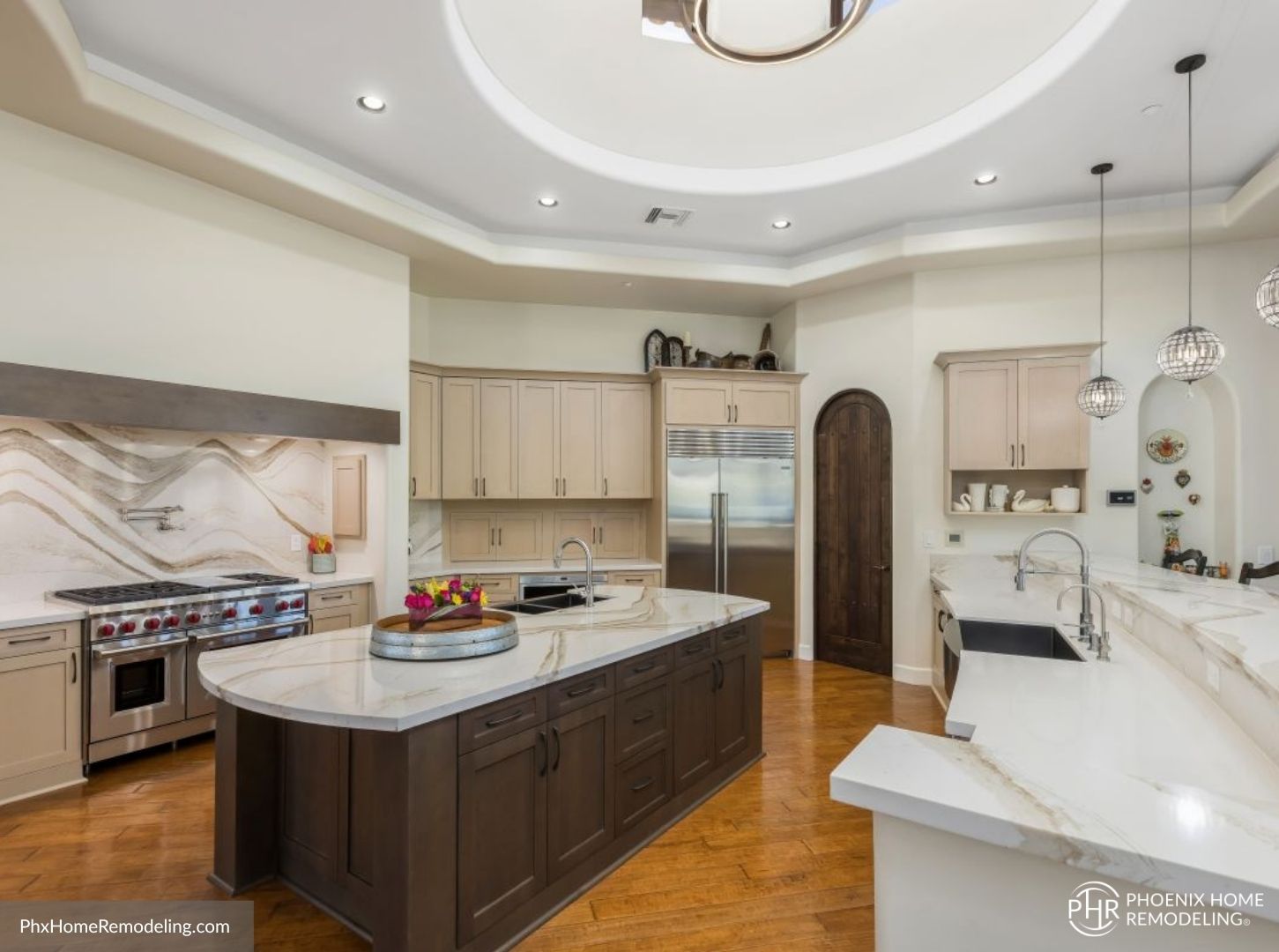
The planning-first approach that protects your budget
Homeowners often pick a financing option first, then scramble to confirm design details. That is when budgets get fragile. Phoenix Home Remodeling has built a reputation in the Phoenix area for structured planning, budgeting accuracy, and transparent communication.
That kind of planning rhythm matters because it can reduce change orders and unexpected cost creep, which is exactly what can turn a manageable HELOC draw into a frustrating repayment crunch.
How to prepare for underwriting and avoid messy funding delays
Gather documents like you are applying for a mortgage
Even when you are not using a mortgage product, underwriting often looks similar. Expect lenders to ask for proof of income, tax records, and debt obligations.

Create a simple folder with your pay stubs, W-2s, and your most recent statements for major debts. If you have variable income, be prepared for more review. If your financial situation changed recently, expect questions.
Decide what you will finance before you apply
Some projects are funded by multiple buckets, like savings plus a loan plus a small credit line. If you wait to figure that out after underwriting, your approval could stall or the lender may reduce the funds offered.
A practical step is to determine your target total project cost and your contingency allowance before you apply. Remodels are rarely exactly as estimated, especially if the project includes concealed systems like plumbing reroutes or electrical upgrades.
Know the difference between approval and funding
Getting approved does not always mean you receive money quickly. There are closing steps, document verification, and sometimes appraisal requirements depending on the loan type and lender policy.
Build a buffer between application and start dates. Contractors can plan for many situations, but a sudden funding delay can put your project timeline in limbo, and that is where inconveniences and extra costs start to pile up.
Permits, inspections, and cash flow
Permits can also affect timing. If you are doing structural work, electrical upgrades, moving plumbing lines, or converting spaces, permit processing time is part of the real schedule.
Ask your remodeling contractor to map out what depends on inspections. Your financing should support that sequence, not just the start of the job.
Match loan structure to your remodel phase, with real scenarios
Scenario 1: Kitchen remodel with long-lead cabinets
A common Ahwatukee situation is choosing custom or semi-custom cabinets that require ordering time. If you go with a HELOC, you can draw once you start paying for those cabinet milestones and the associated installation work.
If you pick a fixed-rate loan and you get the funds at closing, you may have money sitting while you wait for delivery. That does not always hurt, but it can be psychologically tough when you are watching funds sit unused while interest runs. In that case, aligning the timing of cabinet orders with draw schedules can help.
Scenario 2: Bathroom remodel that starts after a leak
Sometimes the project begins as an emergency. Water damage means you cannot wait. If you have savings, you might stabilize first, then finance the full remodel once the scope is clearer.
In that scenario, flexibility can matter because the final scope depends on what was damaged behind walls. A HELOC can be a fit if you need to respond as findings emerge. If you use a fixed-rate home equity loan, you want to be sure the scope you finance includes the likely worst-case outcomes, with a contingency that is not just a small rounding error.
Scenario 3: Whole home refresh with multiple trades
For larger interior renovations, you may have multiple phases like flooring, painting, trim work, and then kitchen or bath upgrades later. In that case, a blended plan can be useful. Some homeowners use a fixed loan for the biggest known items and a smaller line for later phase changes.
If you want to keep the project running without pausing for funding decisions, discuss with your contractor how they handle scheduling and billing. You can reduce “stop and go” by coordinating financing draw amounts with your contractor’s invoicing milestones.
Scenario 4: You plan to stay put, but you want a lower payment risk
If you are staying in the home for years and your priority is a stable monthly payment, a fixed-rate home equity loan can align better with your household goals. The cost might be higher than a HELOC draw during early months, but the payment stability can feel like relief, especially when life throws other expenses your way.
The calm truth is this: the best financing is the one you can stick with comfortably, even if the remodel takes longer than ideal.
Budgeting and contingency planning, so financing does not become a second job
Build a “real” contingency, not a hopeful one
A common mistake is to treat contingency like leftover money. In reality, it is your buffer for hidden conditions.
If you are remodeling older systems, especially with plumbing runs, electrical updates, or structural adjustments, contingency should reflect the likelihood of unexpected findings. In a Phoenix-area home, you can also run into issues tied to prior repairs or areas where materials aged unevenly.
Track costs by phase so you can match draws properly
When costs are lumped into one total number, it is hard to predict what gets paid when. Breaking the budget into phases helps you align with financing.
For example, permits and design milestones often come first. Then demo and rough-in work follow. After that, PHR finishes and fixtures usually arrive closer to the end. Financing that aligns with those phases can reduce pressure on your cash flow.
Limit change orders by locking decisions earlier
Most change orders come from decisions made late or designs that were not fully developed before ordering. That is not a homeowner failing, it is how remodeling works. The fix is to plan decisions early, especially things that impact lead times like tile layouts, cabinet configurations, lighting rough-in locations, and shower system specifics.
A short checklist you can use before signing financing or a contract
- Confirm your estimated total project cost, including contingency
- Ask whether permits and design fees are included in the estimate
- Discuss lead times for cabinets, flooring, and fixtures with your contractor
- Verify expected loan closing date and when funds will be available
- Plan for temporary living needs during the demolition and rough-in stages
Avoid common financing and remodeling pitfalls in Ahwatukee
Pitfall 1: Financing an incomplete scope
When the scope changes after financing is approved, you can end up in a tight spot. If you finance a partial set of assumptions, and then the design needs revisions, you might need additional borrowing.
That can trigger re-underwriting, additional closing costs, or reduced loan proceeds. The result is often delays and tough choices about what to cut.
Pitfall 2: Ignoring appraisal requirements and property value assumptions
Some home equity borrowing products require an appraisal. If the appraisal comes in lower than expected, the available borrowing amount can shrink. That matters if you planned your project around a specific funding number.
Ask early whether appraisal is required and what factors influence it. A conservative plan helps you avoid the “we thought we had it covered” moment.
Pitfall 3: Treating a HELOC repayment as “later” without a plan
It is easy to think, “We will finish before the repayment changes.” Sometimes you do. Sometimes you do not.
A better approach is to model your payment in both the draw and repayment phases, using realistic timelines. If the repayment payment would strain your budget, you may need a different structure or a larger contingency.
Pitfall 4: Underestimating the cost of code upgrades
Older homes can require upgrades when you touch certain systems. Electrical updates, plumbing adjustments, ventilation requirements, and shower waterproofing standards can influence cost.
You do not have to fear code upgrades, but you do need to budget for them. Financing that is designed to cover the full reality of compliance is less stressful.
Pitfall 5: Not coordinating contractor billing with your funding schedule
Even with good financing, cash flow can get awkward if billing milestones do not match your loan draw schedule.
Ask how the contractor invoices, and when materials deposits are due. Then coordinate those dates with lender funding timelines. This is one of those details that makes a project feel smooth or chaotic, and it is often preventable with a short planning conversation.
What homeowners should ask before they choose a lender or a remodeling partner
Questions that protect you before you sign anything
You want answers about terms, costs, and timing. Ask for the full payment breakdown, including any fees, closing costs, or changes that happen after the draw period ends.
Also ask what happens if the project runs longer. Some lenders have flexibility for payoff or restructuring, while others rely on standard schedules. The more clarity you have, the less you are improvising during a remodel.
Questions that protect your construction schedule
On the remodeling side, ask how planning decisions are handled, what information is needed before Phoenix Home Remodeling Arizona ordering, and how change orders are documented and priced.
You want a process that reduces surprises. A calm, thorough approach usually costs less than a reactive one, especially when financing is tied to draws and milestones.
One practical way to decide: stress test your budget
Before you commit, stress test your plan. Assume cabinets arrive late by a few weeks. Assume one inspection takes longer than expected. Assume you need a repair uncovered during demo.
If your financing structure and your contingency still keep the project moving, you have a plan that matches reality. If it does not, you have time to adjust before you are stuck choosing what to pause or cut.
Make “comfort” part of the financing decision
Some homeowners focus only on minimizing monthly payments. Others focus only on total cost. In Ahwatukee, where weather and schedules are stable but life still happens, I encourage homeowners to factor comfort.
If the payment feels manageable, and the contractor schedule is aligned with how the loan funds are released, you are far more likely to enjoy the remodeling process rather than treat it like a constant negotiation.